
Summary:
- Dealers often have more used‑vehicle acquisition opportunities than they realize.
- Ownership creates access, but the Cox Automotive Fixed Ops and Ownership Study shows a gap between customer service intent and dealer follow‑through.
- The first service visit is a key inflection point that shifts customer preference and improves visibility into future acquisition potential.
- Acquisition opportunities are missed when signals emerge gradually, follow‑up is manual, and engagement happens too late.
- High‑performing dealers treat vehicle acquisition as a CRM‑driven workflow, creating a more predictable used inventory pipeline.
You likely have more inventory opportunities than you realize, so the real question is whether you can see them early enough to act.
Vehicle acquisition is often treated as a response to scarcity. Source another channel, widen the net, react faster. But some of the highest‑quality opportunities appear inside ownership and service activity you already influence.
The challenge isn’t access to data. It’s recognizing which signals matter and acting on them consistently.
Ownership Creates Ongoing Acquisition Opportunity
Every vehicle sale doesn’t just close a transaction. It opens a series of future touchpoints. As ownership progresses, vehicles resurface through service, maintenance, and everyday interactions that keep you connected to both the customer and the vehicle.
“…Acquisition Advantage isn’t Created In a Single Moment.”
That matters because acquisition advantage isn’t created in a single moment. It’s created through repeat visibility, seeing the same vehicle multiple times, in context, with growing clarity about condition, timing, and intent.
KEY INSIGHT:
While a majority of buyers intend to service at the selling dealer, only a fraction take an immediate next step, creating an early drop‑off between intent and action.
Ownership creates access to future inventory. Advantage comes from whether that access turns into action or quietly fades.
The First Service Visit Turns Visibility into Leverage
The first service visit is often framed as a loyalty milestone. In reality, it’s something more practical: one of the first moments when ownership visibility becomes actionable.
At that visit, you aren’t just reconnecting with customers, you’re gaining fresh insight into vehicle condition, usage, and timing. It’s the first time both the customer and the vehicle re‑enter your ecosystem at the same time.
KEY INSIGHT:
Customers who service at the dealership are significantly more likely to return for their next purchase
ONLY AROUND
of buyers leave with a first service appointment scheduled
This gap matters. Before the first service visit, customer preference for maintenance and repair is more evenly split between dealerships and independent service shops. Until that visit occurs, your visibility into the vehicle, and your ability to act on it, remains limited.
After a dealership service visit, preference begins to consolidate. And with it, the dealership gains clearer insight into whether that vehicle could eventually return as inventory.
Service doesn’t create opportunity on its own. It creates clarity. What happens next determines whether that clarity translates into value, or fades into the background.
If Opportunity Is Visible, Why Is It So Often Missed?
Most dealers understand that ownership and service activity surface meaningful signals. The constraint isn’t awareness. It’s execution.
Acquisition opportunities are missed when:
- Signals unfold gradually, rather than in a single, obvious moment
- Follow‑through relies on manual steps instead of defined workflows
- Engagement happens after timing and interest have already shifted
KEY INSIGHT:
Opportunity isn’t lost because it goes unseen. It’s lost when action isn’t baked into process.
When you engage later, options narrow. When engagement is timely and repeatable, you retain more control over outcomes.
Turning Ownership and Service Signals into Acquisition Action
Building a more predictable used inventory pipeline means treating vehicle acquisition an ongoing workflow, not a one‑time event.
The approach includes:
- Monitoring ownership and service activity for acquisition‑relevant signals like equity or comparing service lane appointments to wish list vehicles
- Engaging consistently with relevant outreach, including service appointment reminders, personalized offers, community involvement and more.
- Acting while trust, familiarity, and visibility are still intact
- Working acquisition opportunities with the same discipline as sales opportunities
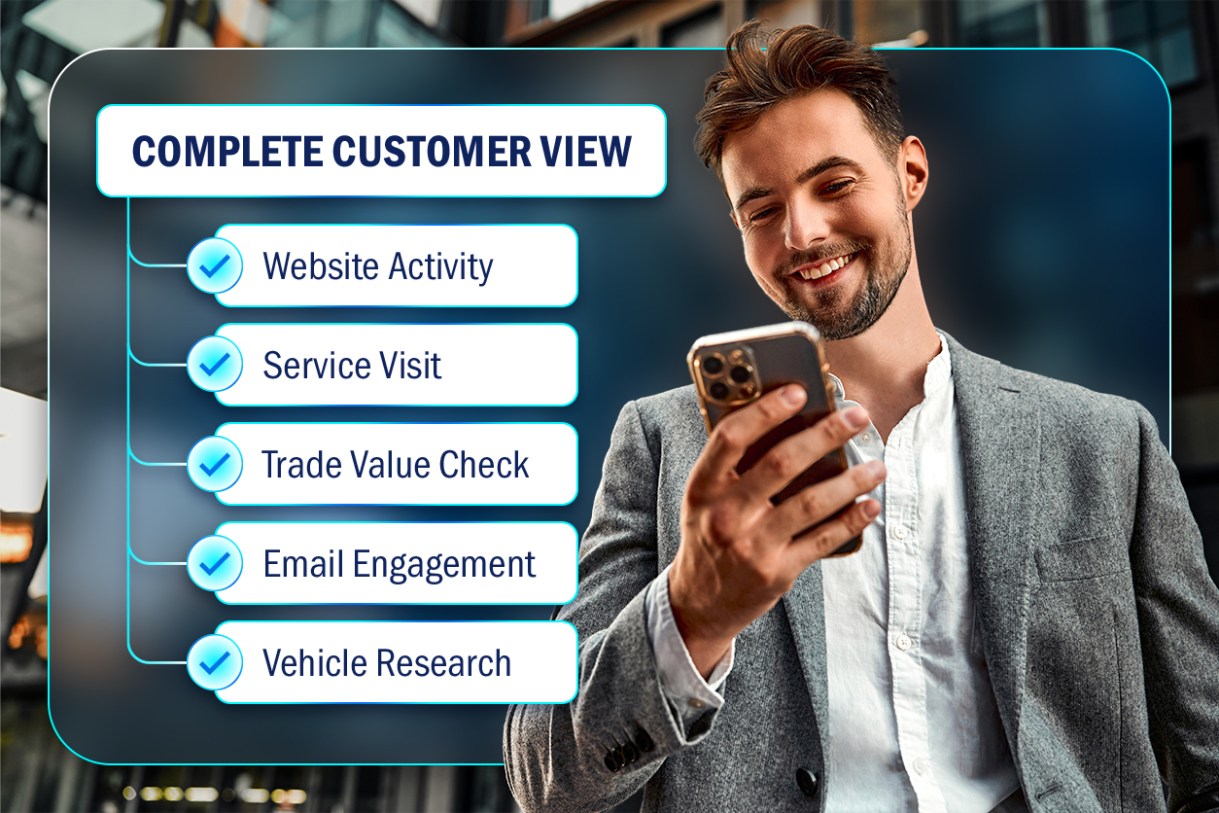
VinSolutions supports this by enabling you to manage vehicle acquisition workflows directly inside the CRM. Ownership and service signals can be tracked, prioritized, and worked consistently, helping you engage more confidently.
Why This Matters Now
Market dynamics will continue to shift, but one pattern is consistent: clearer visibility, earlier, creates better inventory opportunities.
“The earlier you begin to create and nurture acquisition opportunities, the more success you’ll find.”
The earlier you begin to create and nurture acquisition opportunities, the more success you’ll find. When engagement happens only after interest has surfaced, flexibility is limited. Act while vehicles remain within your ownership ecosystem to create a more predictable acquisition pipeline, rooted in familiarity, timing, and insight. By the time customers initiate outreach on their own, they’re often already engaging multiple dealers with the same acquisition opportunity.
For deeper perspective on how ownership behaviors influence service engagement, loyalty, and repurchase decisions, explore the full Cox Automotive Fixed Ops and Ownership Study.
The Takeaway
A strong used vehicle acquisition strategy begins before everyone knows the vehicle is available. It begins by recognizing ownership and service activity as early signals of opportunity.
When those signals are acted on proactively, and managed through structured CRM workflows and relevant automated campaigns, you create a more consistent, predictable inventory pipeline based on vehicles they already know.
Get to know VinSolutions through a self‑guided demo to see how vehicle acquisition workflows fit into the CRM.